
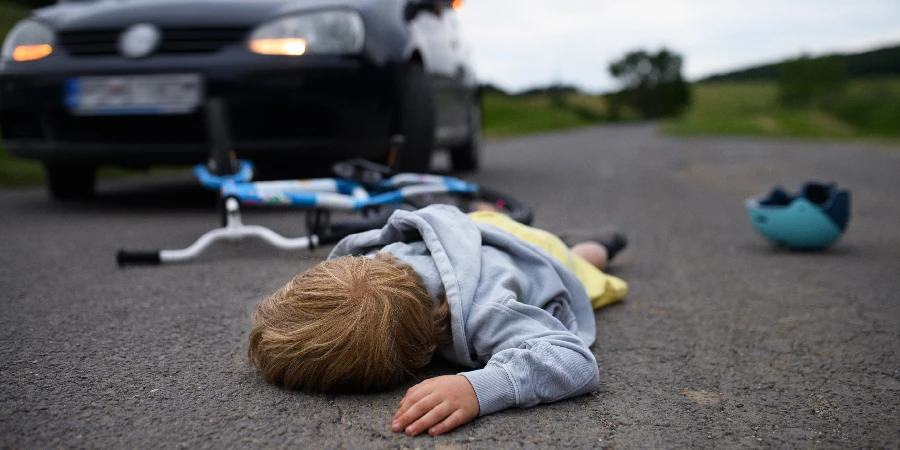
A child transportation accident in New Jersey can throw a family off in a matter of seconds. One minute, you are thinking about school drop-off, the ride home, or a normal afternoon errand. The next, you are trying to figure out whether your child is hurt, what needs a photo, and who needs a call first. If your child was in your own car, questions about the restraint can come up right away, especially if you are now wondering what to check before reusing or moving up a car seat. You do not need every answer at the scene. You do need to protect your child, hold on to the right details, and avoid decisions you may regret later.
What to do first after a child transportation accident
Start with your child, not the paperwork.
Children do not always tell you clearly when something hurts. Some cry right away. Others go quiet. A few insist they are fine because they feel scared, confused, or embarrassed. That is why even a low-speed crash deserves a closer look when a child was involved.
Call 911 if anyone may be hurt. Let medical professionals check your child if there is head pain, neck pain, dizziness, or behavior that feels off. After that, slow the moment down enough to gather the details that tend to disappear first.
Save the details while they are still easy to find
The first hour after a crash can get messy fast. People move cars. A bus pulls away. Witnesses leave. Memory starts filling in gaps.
Take photos of the vehicles, the road, and the area around the crash. If a bus stop or pickup zone was involved, photograph the curb, the crosswalk, and the space where children were standing. Keep those shots simple and clear.
Write down:
- the time and exact location
- the names of drivers and witnesses
- the bus number, route, or school, if a bus was involved
That is usually enough to give the next few days some shape.
If your child was in your car, look at the restraint too
Many parents focus on the damage to the cars first. That makes sense. Still, the child restraint deserves its own set of photos.
Save the labels, model number, and how the seat was installed. Make a note if your child had recently moved from rear-facing to forward-facing, or from a harness to a booster. A seat can raise questions after a crash even when a parent made a careful choice.
That is also why it is smart not to throw the seat out too quickly or use it again on instinct. The condition of the seat, the kind of crash, and the manufacturer’s instructions all matter.
When a child transportation accident involves a school bus
Bus-related cases often feel simple at first. Then the facts start branching.
The child may have been inside the bus. The injury may have happened while getting on or off. The real problem may have unfolded near the bus stop, in a pickup lane, or while a child crossed the street. That changes how parents need to think about the next step.
A lot of families also assume a bus case starts and ends with one driver. It often does not. Questions about who may be liable after a school bus accident in New Jersey usually come up once parents realize a school district, a private bus company, another driver, or school staff may all be part of the story.
Fault is not always obvious
A child transportation accident can involve more than one bad decision, or more than one party that owed a duty of care.
In one case, another driver may have caused the crash. In another, the bigger problem may be supervision, release procedures, or what happened while children were loading or unloading. A bus company may matter. A public entity may matter. Sometimes the hard part is not naming one defendant. It is sorting out where the breakdown actually happened.
That is why early records matter so much. Route logs, incident reports, school emails, and camera footage can tell a more complete story than anyone can piece together from memory alone.
What parents should save after a child transportation accident
Keep the records in one place. That alone makes the situation easier to manage.
Try to save:
- photos of the scene and the restraint system
- discharge papers, visit notes, and follow-up instructions
- school messages, incident reports, and insurer emails
If a bus was involved, ask about video early. Some buses have cameras, and some loading areas do too. A parent should not assume that footage will stay easy to pull forever.
Mistakes that get made in the first few days
The most common mistake is assuming the child is fine because the scene did not look dramatic.
Another is treating the car seat as an afterthought. Parents sometimes keep using it without checking the manual, or they throw it out before photographing it. Neither move is ideal.
Bus cases have their own version of the same problem. Families often assume the school, transportation company, or insurer will preserve every detail that matters. Sometimes they do. Sometimes they do not. If you want the clearest record, save what you can on your side too.
FAQ
What should I do first after a child transportation accident?
Get your child checked if there is any sign of pain, confusion, or behavior that feels unusual. Then save the basics, the location, the vehicles, and the names of the people involved. If your child was in a car seat, photograph that before you decide what to do with it.
Does a school bus case always come down to the bus driver?
No. Another driver may have caused the crash. In other situations, the issue may involve loading or unloading, supervision, release procedures, or how the route was handled. That is why bus cases often take a wider review than parents expect.
Should I keep the car seat after the crash?
Yes, at least for the moment. Photograph it, keep the labels, and check the manufacturer’s guidance before you decide whether it can still be used. A seat may look fine from the outside and still need a closer look.
When should a parent get legal guidance after a child transportation accident?
It is worth asking questions early when injuries look serious, fault is disputed, or a school district or other public entity may be involved. It also makes sense when records are missing, stories do not line up, or your child’s symptoms last longer than you expected. In those cases, waiting usually does not make the situation easier.
Key takeaway
A child transportation accident can leave parents rattled, even when the crash looked minor at first. The first job is to get medical care when needed and hold on to the details that disappear fast. After that, the focus shifts to the records, the restraint if your child was in your car, and the bigger picture if a school bus or bus stop was involved. A calmer response in the first day or two gives you a better footing for everything that comes after.
