
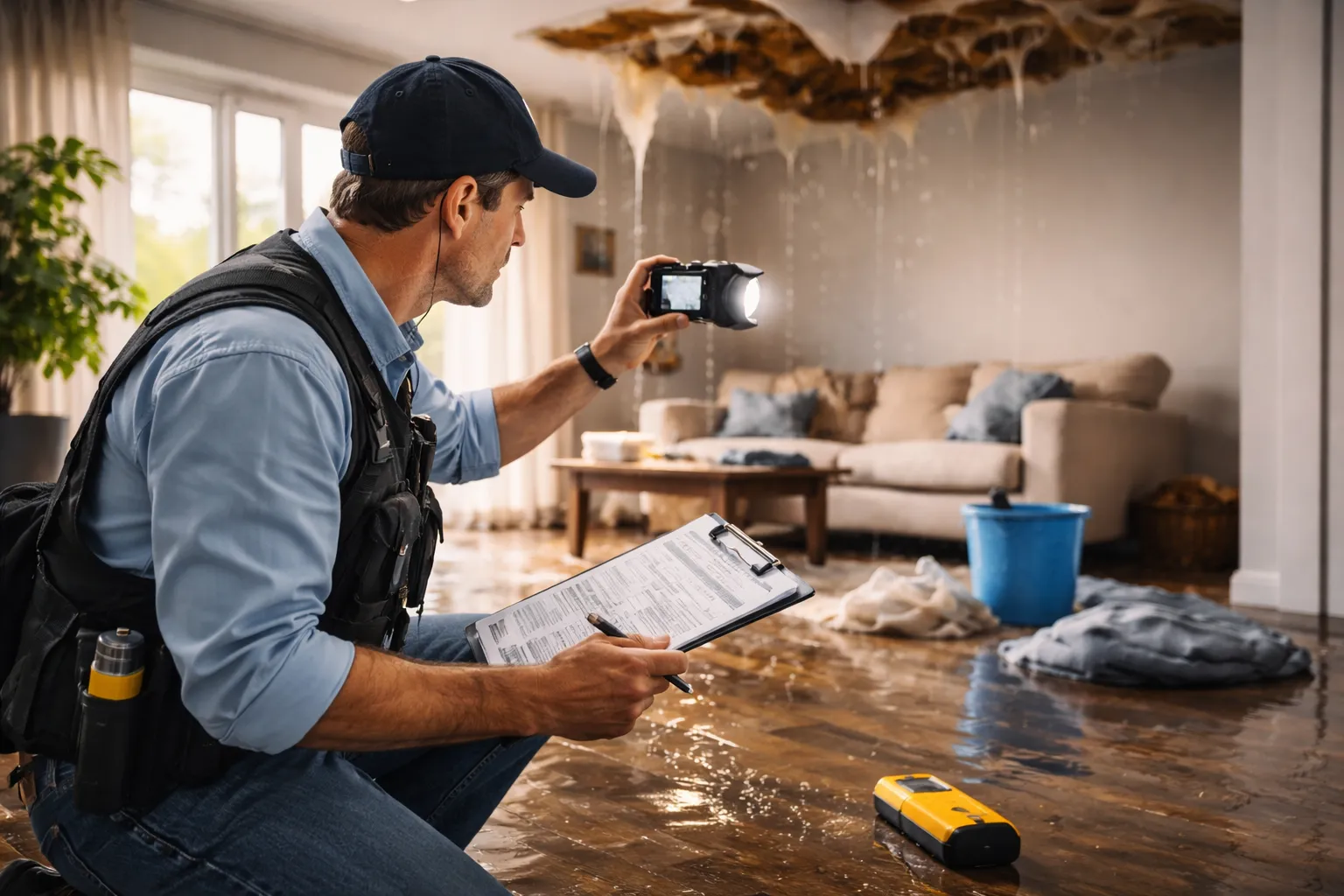
Plumbing-related property damage is no longer just a “minor leak” issue. In many homes, what starts as a small drip under a sink or a pinhole pipe leak behind a wall can spread into flooring systems, insulation, and framing before anyone notices. By the time visible signs appear—warped floors, peeling paint, musty odors—the damage may already be extensive. This is one reason more homeowners are consulting a residential claims public adjuster to better understand how to document and manage plumbing damage claims before repairs move too far ahead.
Across the U.S., rising labor costs and longer restoration timelines are making these claims more technical and more expensive. Homeowners are increasingly realizing that a clear claim strategy matters just as much as emergency cleanup.
Why plumbing damage claims are often more complex than they look
Plumbing failures rarely affect only one area. Water travels quickly, and moisture can spread in ways that are not obvious during the first inspection. A leak in a second-floor bathroom, for example, may damage subfloors, ceiling cavities, and nearby walls on the level below.
Some of the most common hidden impacts in plumbing damage claims include:
- Moisture trapped behind cabinets and baseboards
- Subfloor swelling beneath tile, wood, or laminate
- Insulation damage inside wall cavities
- Mold prevention work after prolonged dampness
- Electrical risk when water reaches outlets or wiring
Because these issues may not be visible right away, the first estimate can sometimes miss key repair items. Homeowners who involve a residential claims public adjuster early often do so to make sure the full scope is documented before materials are removed.
Why “tear-out and access” costs matter
One of the most misunderstood parts of plumbing damage claims is the cost of accessing the failed pipe. In many cases, plumbers need to open walls, remove flooring, or cut through cabinetry just to reach the source of the leak. Those costs can be substantial, especially in kitchens and bathrooms with custom finishes.
If access and restoration are not clearly separated in the estimate, policyholders may end up with gaps between what is approved and what is actually needed to complete repairs.
Why more homeowners seek a residential claims public adjuster before settlement
Homeowners are becoming more cautious about accepting early settlements, especially when the damage involves hidden moisture. Once repairs begin, evidence can disappear quickly, and it becomes harder to show what was affected.
That’s why many policyholders now search for a residential claims public adjuster to help with:
- Organizing photos, invoices, and inspection reports
- Reviewing whether all affected areas are included in the estimate
- Clarifying policy terms related to water discharge and seepage
- Tracking communication and documentation requests
This kind of support can be useful even when the claim is moving forward smoothly. It helps ensure the claim file reflects what the home actually needs—not just what was visible on day one.
The “matching materials” issue in plumbing damage claims
Another common challenge is matching existing materials after partial damage. If only part of a floor or one section of cabinetry is affected, homeowners may run into problems when replacement materials are discontinued or no longer match the original finish.
In these situations, the claim may need additional documentation to show why a larger replacement scope is necessary. This is especially common in older homes and custom interiors.
A practical checklist for homeowners after a plumbing loss
Before agreeing to a final settlement amount, it helps to review a few key questions:
| Question | Why It Matters |
| Has all visible and hidden damage been documented? | Moisture can spread beyond the original leak area |
| Are tear-out and access costs included? | Reaching the pipe often requires demolition |
| Does the estimate reflect current local pricing? | Labor and material costs have increased in many markets |
| Are matching issues addressed? | Partial repairs may not restore the home properly |
This checklist can help homeowners avoid surprises later, especially if additional damage is found during repairs.
Why this topic is trending now
Two trends are driving more attention to plumbing damage claims in 2026:
- Aging plumbing systems – Many homes built 20–40 years ago are now seeing more frequent pipe failures.
- Higher reconstruction costs – Even small leaks can become expensive due to labor shortages and material pricing.
As a result, homeowners are paying closer attention to how claims are documented and valued. AlliedPA has seen more policyholders ask detailed questions about access costs, hidden moisture, and restoration scope before finalizing their claims.
Final thoughts
Plumbing failures can create far more damage than most homeowners expect. What begins as a small leak can quickly turn into a complex restoration project involving multiple rooms, hidden moisture, and detailed repair planning. That’s why many policyholders now consult a residential claims public adjuster to navigate plumbing damage claims with more clarity and structure.
By focusing on documentation early, understanding access and restoration costs, and reviewing estimates carefully, homeowners can make more informed decisions and work toward a fair settlement based on the terms of their policy.
